The Cut of the Country
From the pheasant coverts of Norfolk to the corries of the Cairngorms, British sporting dress bears the imprint of the ground it was made for. A century and a half of tailoring and textile invention can be read in the pleat of a shooting coat, the colours of an estate tweed and the layers a stalker carries up the hill.
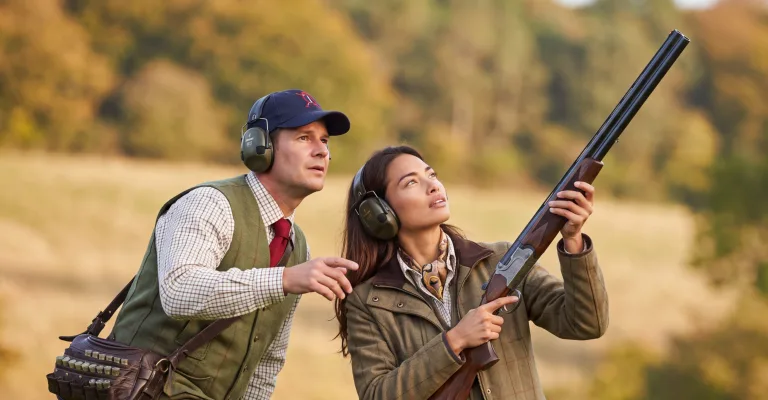
Before the first drive on a Norfolk morning, the wind has already found the gaps in the hedge. The keeper is explaining where the beaters will come through, the Guns have drawn their pegs, and a spaniel has acquired a fringe of burrs without appearing to have gone anywhere. There is still time to turn up a collar. Once the line has spread out along the field edge, there will be twenty minutes in which to discover how well that collar closes, how much warmth there is in a pair of wool stockings and whether the coat has enough give across the shoulders.
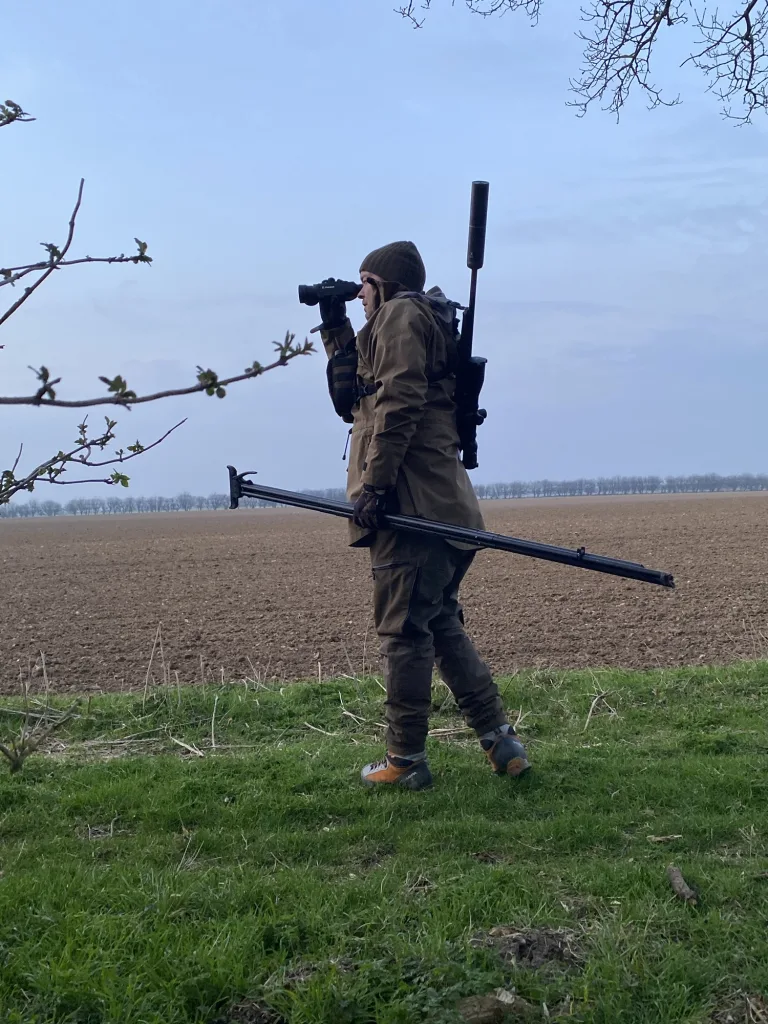
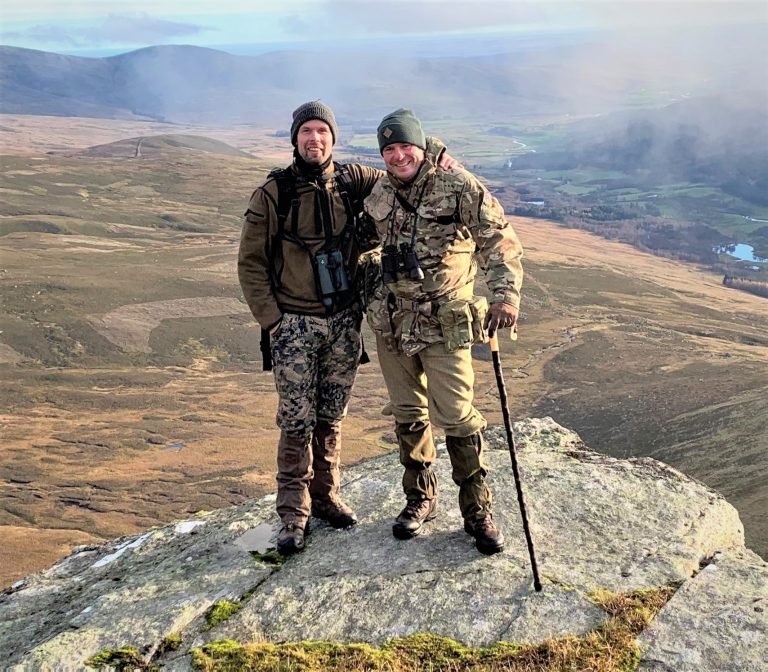
On the hill, the same questions are put more sharply. In the lee of a bank, with mist lifting out of the corrie, a stalker who was warm enough on the climb finds the chill creeping in while the far slope is searched through binoculars. A fold of cloth that passed unnoticed on the walk in suddenly sounds very loud when it rubs against a sleeve. A jacket can be handsome at the lodge and still prove a poor companion in a peat hag.
British sporting dress grew out of thousands of such small discoveries. The weather set the terms. Tailors and weavers worked out how to accommodate them, and the habits of the shoot and the stalking estate gave the clothes their social meaning. The result is a wardrobe in which the width of a brim, the depth of a pocket and the decision to wear a tie each tell a different part of the story.
I. Driven shooting and the manners of the peg
From the Victorian shooting coat to the Norfolk jacket
A Victorian shooting jacket in the Victoria and Albert Museum, dated between 1869 and 1880, is made of velveteen and fastened with gilt brass buttons. Some depict country pursuits. Inside the skirt are two pockets large enough to take a hare. By 1869, The Tailor and Cutter was already reporting objections to excessive pockets. Some sportsmen preferred a small bag and a separate ammunition pouch. Even in the age of substantial cloth and capacious coats, there was an argument to be had about how much a man ought to carry on his person.
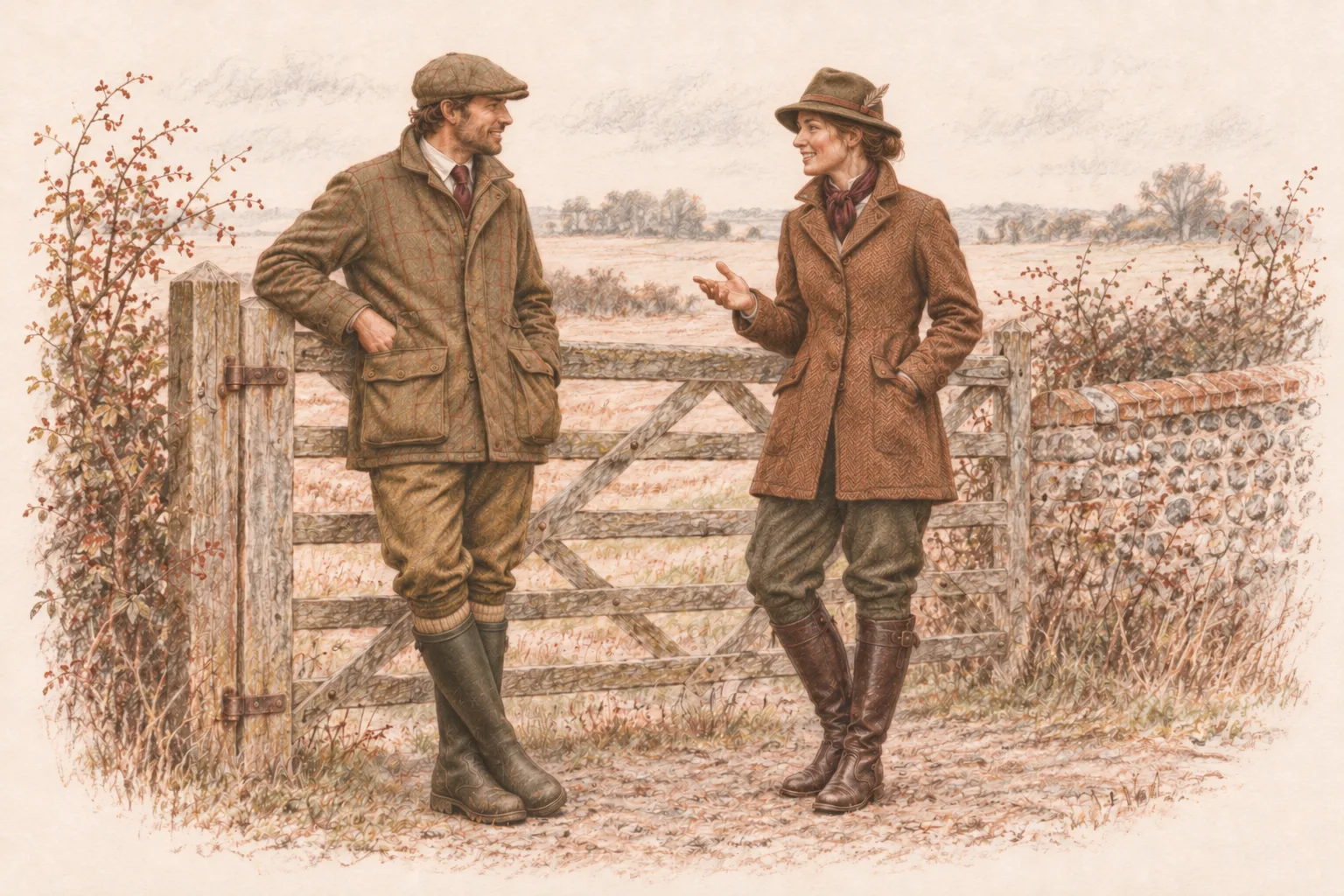
The Norfolk jacket, which appeared in the 1860s, brought a particularly enduring answer to the problem of freedom of movement. Its loose body, box pleats, belt and large patch pockets gave it a recognisable outline. A high fastening and rough woollen cloth suited the weather. Knickerbockers, wool stockings and stout boots completed the outfit, with matching cloth for those who wanted a Norfolk suit. Accounts differ over whether the Duke of Norfolk or the Prince of Wales inspired the jacket. Its rise belongs to the same period in which the future Edward VII made driven pheasant shooting at Sandringham an important fixture of court life. By the Edwardian years, a country suit that would have been distinctly informal in town had acquired a formality of its own in the field.
By the 1920s, the generous plus-four was established sporting wear. The name refers to the extra cloth that blouses over the fastening below the knee. A plus-two gives a neater fall, with less cloth over the band. The practical advantage of breeks is apparent on a wet bank. With fullness through the seat and knee, a Gun can take a high step without pulling against the cloth. The hem stays clear of the mud while thick wool hose cover the lower leg. Trousers with gaiters can deal with much the same ground. Breeks do it with a particularly clean division of labour between cloth, stocking and boot.
Why we still wear a shirt and tie
The shirt and tie belong to the British tradition of receiving an invitation to shoot as an invitation into company. A driven day has its own form of hospitality, from the first cup of tea and the drawing of pegs to the moment the party comes back together after the last drive. A collared shirt with a quietly chosen tie or cravat is part of the way a guest acknowledges the occasion. When the company gathers in a farmyard and half the party is in wellingtons, there is something particularly British about still taking the trouble to put on a tie.
The courtesy is much the same as arriving properly dressed at a good restaurant where a shirt and tie are expected. One may be paying for dinner, just as one may be paying for a day’s shooting. One is still a guest. Dressing for the occasion shows regard for the establishment, for the chef and the people who have prepared the evening, and for the other diners who have come to enjoy it. The manners of a driven day rest on that same understanding.
The host has brought the company together. The keeper has worked out how to bring a drive through in the wind he has that morning. The beaters may be in wet cover long before the Guns reach their pegs, and the picking-up team will still be working when the line has moved on. Dressing with care acknowledges that work before the day begins. The same courtesy carries through to being ready when called, listening to the keeper, respecting a neighbour’s birds and taking the time to tell the picking-up team where a bird fell. There is an etiquette to the choice of bird, too. Let the low bird go. An easy bird that offers little sporting challenge can pass as well. Part of the pleasure of driven shooting is having the judgement to wait for a bird worth taking.
There are shoots where the dress is more relaxed, and the host’s lead is the one to follow. At a formal day, the familiar shirt, tie, breeks and subdued coat give the line a certain harmony. Much of that effect comes from ordinary things chosen well. A plain wool tie and a coat with a few seasons behind it can look entirely at home. The point of knowing the custom is that, once there, everyone can attend to the day.
The working details of the shooting coat
Bellows pockets expand outwards, giving a gloved hand room to find a cartridge without dragging the skirt of the coat out of shape. An action back, often made with pleats that open behind the shoulders, gives the cloth somewhere to go as the arms rise. A low-profile suede or leather patch takes wear where the stock meets the shoulder and can give the butt a more consistent purchase. A coat that looks right in the mirror may still pull upwards when the gun comes to the face. Try the cut fastened over the layers it will actually be worn with.
A silk or wool tie does a small practical service too. A close-buttoned shirt collar takes some of the draught out of the opening and helps keep stray chaff and drips from finding their way down the neck. In driving rain, that work belongs to a high storm collar. A flat cap offers a close silhouette and a peak against low sun and rain. A modest felt trilby gives more brim around the head, which is welcome under dripping trees. Either can intercept bits of twig and leaf. Shooting glasses provide the protection against falling shot, and the hat should sit comfortably with those and with hearing protection.
II. Deer stalking and the art of keeping quiet
The line of Guns is a public arrangement. Stalking, even in company, can feel intensely private. In woodland, the last few yards may be through brittle bracken or beneath low branches, with a roe deer somewhere beyond the next ride. On the open hill, an approach can take a party over a shoulder and down into wet ground, then leave them sitting still for longer than it took to get there. The clothes have to accommodate effort and waiting in the same hour. A damp layer that felt tolerable on the way up can chill surprisingly quickly when the party stops.
The colours of an estate
Nineteenth-century Scottish estate tweed clothed keepers, stalkers and ghillies in something that identified the ground on which they worked while helping them disappear into it. At Glenfeshie, an early Cairngorms example is traditionally attributed to a daughter of General Balfour, who is said to have introduced a fine red overcheck to a shepherd’s check in the 1830s. In the Lovat mixture, first woven by Johnstons of Elgin in 1845, the colours are blended in the yarn itself. A tweed woven for the Duke of Richmond and Gordon in 1844 went on to be used across his sporting estates. The cloth was both working dress and a means of recognising whose people one had met.
At Mar Lodge, where pinewood gives way to open moor and granite, the logic of these cloths is easy to grasp. A yarn can carry the grey of stone, the brown of dead bracken and a hint of heather without any single colour dominating. At a little distance, fine checks merge and larger changes in tone become more important. A matte olive or peat-brown modern cloth can do much the same job in the right setting. Military-style camouflage may be effective where its scale and colours suit the ground. On a traditional estate the preference for muted plain cloth or tweed also reflects local custom, and the stalker who knows the beat is the person to ask. Across a skyline, any pattern is at a disadvantage.
The sound of a sleeve
A coat’s quietness is best judged at the pace of the last ten yards.
Soft woollen tweed often makes little sound against itself. The word wool on a label tells you very little about the lining, the zip pulls or what happens when a cartridge case knocks against a buckle. A stiff laminate can crackle as it folds, while a supple, brushed synthetic can be quiet enough for woodland. The useful test is to crouch, reach and bring the sleeve across the body with the pockets loaded and the binocular harness in place. A quiet jacket earns its keep most clearly when the wind drops and every other sound seems to drop with it.
What the hill makes you carry
Hill stalking can be a decidedly athletic day. A long climb with a rifle and binoculars is work enough before adding the rucksack, lunch, water and spare kit. A coat that feels agreeably substantial on a Norfolk peg can feel very different after the second ascent. Cloth weight, often given in grams per square metre, is worth considering, but weigh the finished garment in your hand as well. A lining, membrane, generous pockets and hardware can turn a middling cloth into a heavy coat. An absorbent outer that gets soaked adds to the load just when the ground is becoming harder going.
The useful layers are the ones you can take off early, stow without a struggle and put back on before you chill. Open the vents or strip a layer before a sustained climb. At a stop to glass, put on the warm layer while you are still warm. A lightweight waterproof needs a place where it can be reached quickly, and spare insulation is worth keeping dry in the pack. Every layer comes up the hill with you, whether on your back or in the bag. Saving weight on the coat worn for the climb can leave room for the warmth and weather protection you will want when the pace changes.
III. Wool, wax and the waterproof membrane
Merino next to the skin
Fine merino earns its place on the hill through the way it handles the change from hard work to standing still. As you warm up, wool takes up some of the water vapour in the humid air next to your skin. A well-designed merino knit can also spread liquid perspiration through the fabric towards its outer face, where it can evaporate when the layers above let it escape. The fibre’s natural crimp helps the fabric hold insulating air. Together, those properties can make a light merino layer feel less clammy through a succession of climbs and stops.
Absorbing moisture, wicking it through a fabric and drying it are three different things. Merino’s particular strength is its ability to buffer changes in humidity next to the skin. A good synthetic base layer can wick liquid sweat very effectively and will often dry faster after a hard, sweaty ascent. A fine merino or merino blend is especially useful when effort comes in bursts and the rests are long. Either will struggle under an outer layer that is holding in more moisture than it can release. Opening a zip on the climb can make as much difference as changing the shirt underneath.
Wool can provide useful insulation while damp, as long as the fabric still holds air. Once a heavy coat is saturated, the added weight, slow drying and loss of insulating air become real liabilities. Wool-rich garments can also develop less noticeable body odour in wear than some polyester garments. A red or roe deer can still pick up human scent on the wind, which remains the first consideration. Wool’s resistance to ignition is another useful property near a stove or stray ember, though linings and trims can behave quite differently from the face cloth.
From oilskin to laminates
John Barbour was supplying oilskins to mariners in South Shields in 1894. Waxed cotton applies the related principle of treating the cloth itself to resist water. A sound wax jacket is useful in wet coverts, takes hard wear and can be reproofed and patched. It can also feel heavy and clammy on a sustained climb. GORE-TEX, which reached the consumer market in 1976, offered a different construction. A thin membrane blocks liquid water and wind while allowing water vapour to pass. Taped seams and well-designed closures matter to the finished garment. The water-repellent finish on the face has a separate job. When it wears down and the outer cloth wets out, the jacket can feel cold and clammy even while the membrane is still keeping rain out.
Lightweight nylon shells can deliver considerable tear strength for their weight, particularly where a ripstop grid helps check a small tear. A stretch-woven softshell trades some storm protection for mobility and ventilation. Polyester fleece and synthetic insulation can supply warmth at low weight and often dry more quickly than heavy wool. Some slick shell fabrics catch the light or rustle, and polyester can hold perceptible body odour. The surface, cut and construction of the particular garment tell you more about how it will behave in the field than a fibre name alone.
Wool is renewable and the fibre can biodegrade under suitable conditions. Its production still carries impacts from farming and processing. Synthetic textiles can shed persistent plastic microfibres in the wash, with the amount varying considerably by construction. Wool cloth can shed fibres too, and a mixed-material coat is more complicated to dispose of. A coat whose cuffs can be repaired and whose lining can be replaced has a practical advantage here, provided it is a coat one reaches for.
IV. The contemporary gentleman and lady in the field
For a driven day, start with a shooting coat that fits over a shirt and light knit, and try it buttoned before deciding it fits. A membrane-lined tweed is a sensible option for standing in wind-driven rain. Breeks and resilient wool-rich hose, with reinforcement where the boot rubs, are a useful pairing. On ground where leather is appropriate, a Goodyear-welted field boot with a proper tread can be resoled while the upper is still sound. In deep mud, wellingtons may earn their place. For women and men alike, the reach of a pocket, the position of a shoulder patch and the room through the hips and knees matter more than the name on the cut. Victorian fashion plates show how ingeniously women’s sporting dress once worked around long skirts. Today there is every reason to insist on the same freedom of movement for everyone on the line.
On the hill, a light merino base layer and a quiet, breathable outer make a good combination for the approach. A light fleece can go on as the temperature drops. A waterproof jacket and overtrousers deal with sustained rain and wet vegetation, while a packable synthetic insulated jacket earns its place during long spells behind the binoculars. Boots need grip on wet grass and a fit that holds the heel on a descent. A Gun might wear the same merino beneath a waterproof-lined tweed on the peg. The stalker gains more from having each of those jobs done by a layer that can be taken off and put away.
Why the old clothes endure
The history of sporting dress is also a record of who worked on the land and how its purpose changed. At Mar Lodge, a late Victorian hunting lodge stands in an estate where deer management now helps Caledonian pinewood regenerate. The work asks for the same patient observation of ground and weather that gave the old clothes their form, even as the priorities of the estate have widened.
There is a particular pleasure in putting on a coat whose cuffs have already been repaired and whose pockets fall naturally to hand. Its worth becomes clearest at the end of the day, when the wind has gone round and there is still a field to cross. That is the tradition Foyers Sporting values. It begins with arriving prepared, carries through in how one treats the people and quarry of the day, and leaves room for a better cloth or a better way of doing the work when one comes along.