
Fallow Deer: Where Elegance Meets the Art of the Chase.

Elegant, watchful, and effortlessly at home in the rolling landscapes of the British countryside, fallow deer provide one of the most captivating stalking experiences in the UK. Often seen grazing in open fields or slipping silently through ancient woodlands, these striking deer—distinguished by their spotted coats and palmate antlers—demand a careful, considered approach. Their social nature, combined with sharp senses and unpredictable movement patterns, makes stalking fallow a true challenge in fieldcraft, patience, and precision—an experience that rewards those who respect the art of fair-chase hunting.

Fallow Deer: Noble Heritage, Wild Heart.

The fallow deer (Dama dama) is a striking and iconic species long associated with the British countryside. Recognisable by their spotted coats and broad, palmate antlers, these medium-sized deer are often seen grazing in parklands, ancient woodlands, and open fields. Introduced to Britain by the Normans, fallow deer have since become a cherished part of the rural landscape. Their elegant appearance and social behaviour make them a favourite among wildlife enthusiasts and a captivating presence in the natural world
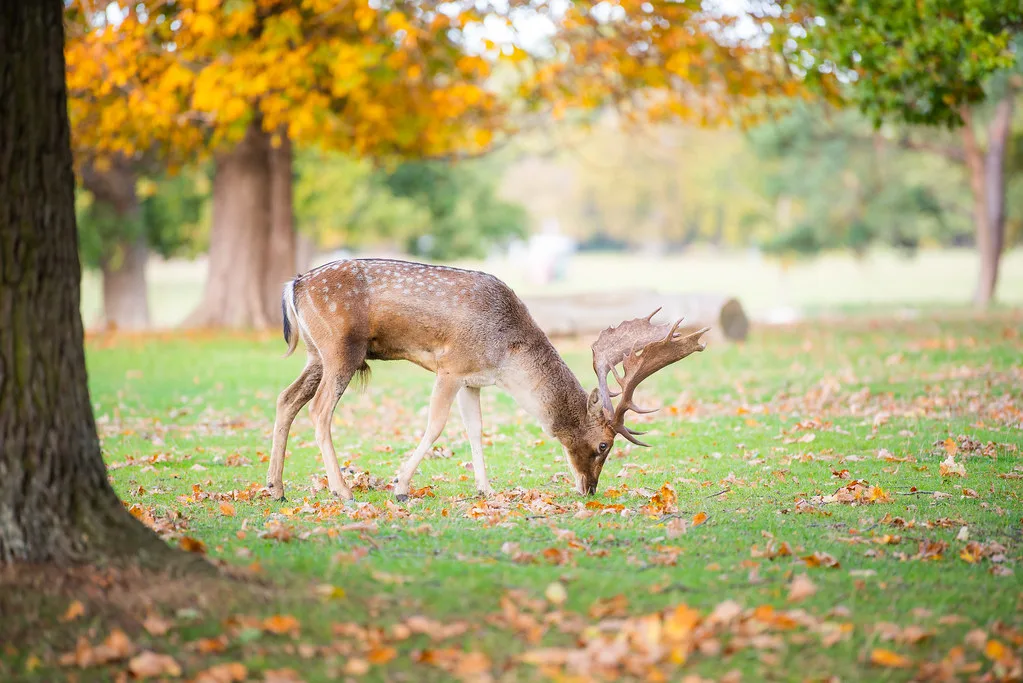
The British fallow deer is a classic of the countryside and a favourite among stalkers—majestic, watchful, and steeped in history. Found in ancient woodlands, open parklands, and rolling farmland, fallow deer thrive in some of Britain’s most scenic and historic landscapes. Their distinctive spotted coats and impressive palmate antlers make bucks a striking sight, especially during the autumn rut, when battles for dominance echo through the forest glades. With their strong herding instincts, keen senses, and unpredictable movements, fallow present a dynamic and challenging quarry. Whether tracking a lone pricket through misty woodland or managing a group of does at the woodland’s edge, stalking fallow deer demands patience, skill, and an eye for detail—offering a timeless hunting experience rooted in centuries of tradition

Fallow deer (Dama dama) have a rich and storied history in Britain. Though not native, they were first introduced by the Romans, and later reintroduced on a wider scale by the Normans in the 11th century, who prized them for hunting in royal forests and enclosed deer parks. Their ornamental appearance and palmate antlers made them a symbol of status and nobility, firmly rooting them in Britain’s cultural and aristocratic heritage. Over the centuries, many fallow deer escaped from parks or were deliberately released into the wild, gradually establishing free-ranging populations across the country.

Today, fallow deer are widespread throughout England and Wales, with particularly strong populations in southern and central regions. They are also present in parts of Scotland and Northern Ireland, though their range there is more limited. They favour a mix of open grassland and woodland habitats, making estates, farmland edges, and historic parklands ideal environments. Their adaptability and herding behaviour have allowed them to thrive in both wild and managed landscapes, cementing their place as one of Britain’s most familiar and iconic deer species.

Fallow deer (Dama dama) are medium-sized deer known for their distinctive and highly varied appearance. Their most recognisable feature is the male’s broad, flattened palmate antlers, which resemble the shape of a hand and are unique among British deer. These antlers are shed and regrown annually, reaching full size in mature bucks.

Fallow deer exhibit four main coat colour types:

  • Common (tan with white spots in summer and a grey-brown coat in winter),
  • Menil (lighter with more prominent spots year-round),
  • Melanistic (dark brown to black),
  • Leucistic (pale or almost white, but not albino).

They have a slender build, long legs, and a distinctive white rump patch bordered by a black outline, with a long, black-tipped tail that flicks when alarmed. Bucks typically weigh between 60–100 kg (132–220 lbs), while does are lighter, averaging 35–55 kg (77–121 lbs). Graceful and social, fallow deer are often seen in groups and are highly alert, using body language and vocal signals—like barking or groaning during the rut—to communicate and warn others of danger.

Fallow deer are immediately recognisable thanks to several distinctive features that set them apart from other British deer species. The most striking is the broad, palmate antlers of the mature bucks—flattened and spreading like a hand with fingers, these antlers are unique in the UK and develop more fully with age. Another key feature is their distinctive coat, which varies in colour but most commonly appears as a rich tan with white spots in summer, turning darker and less marked in winter. Variants such as melanistic (dark), menil (light), and leucistic (almost white) are also frequently seen.

They have a pronounced white rump patch, clearly outlined with black and a long black-tipped tail that they often flick when alert or disturbed. Their graceful build, long legs, and elegant neck give them a refined silhouette, especially when moving through woodland or open ground. Bucks also emit a distinctive groaning call during the rut, adding to their presence in the autumn landscape. Altogether, these features make the fallow deer one of the most visually striking and iconic deer in the British countryside.

Fallow deer leave behind a variety of signs that can help stalkers and wildlife watchers identify their presence in the landscape. Their hoof prints, or slots, are relatively broad and rounded compared to other deer species, measuring around 5–7 cm in length. The slots may appear splayed when the animal is moving quickly or walking on soft ground. Due to their herding nature, fallow tracks are often found in clusters or well-worn trails—also known as “deer runs”—that crisscross woodlands and open fields.

Another tell-tale sign is droppings, which are small, oval, and pellet-like, often deposited in loose groups. These can help identify feeding and bedding areas. Feeding signs include grazed grass, nibbled shrubs, and stripped bark, particularly on young trees. During the rutting season, bucks leave rubs on tree trunks from thrashing with their antlers, and they create rutting scrapes—shallow depressions in the ground marked with scent and disturbed soil where they display dominance and attract does.

In quiet woodland, you might also hear their vocalisations, particularly the deep, rasping groans of bucks during the rut, which can carry long distances and signal active breeding territories. Combined, these signs offer a rich picture of fallow deer activity for those patient enough to read the landscape.

Fallow deer are social and typically form herds that vary in size depending on the season and habitat. Outside the rutting season, females (does) and their young tend to group together, while males (bucks) often form separate bachelor groups. During the autumn rut, bucks become more solitary and territorial as they compete for dominance and breeding rights. This period is marked by displays of strength, including vocal groans, antler clashes, and ritualised posturing.

Fallow deer are mostly crepuscular, being most active at dawn and dusk, although they can adapt their activity patterns depending on human disturbance and food availability. They are browsers and grazers, feeding on grasses, herbs, leaves, and young shoots, often favoring open parkland and woodland edges where food is abundant.

When threatened, fallow deer rely on their agility and speed to escape, often bounding away with a distinctive bounding gait called “stotting.” They communicate through body language, vocalisations, and scent marking, using preorbital glands near their eyes to mark territory and maintain social hierarchy. Overall, fallow deer exhibit a blend of social behaviour, wariness, and adaptability that has allowed them to thrive across diverse British landscapes.

Fallow deer thrive in a variety of habitats across Britain, showing remarkable adaptability to different landscapes. They are most commonly found in mixed woodlands, ancient forests, and parklands, where a combination of open grassy areas and dense tree cover provides ideal conditions for feeding and shelter. These deer favor habitats that offer abundant browse and grazing opportunities, including young shoots, grasses, and shrubs.

In addition to woodland environments, fallow deer often inhabit farmland edges, hedgerows, and even suburban green spaces, where food is plentiful and predators are scarce. Their preference for areas with a mosaic of open and sheltered ground helps them remain alert to threats while accessing diverse food sources.

Seasonally, fallow deer may shift their range slightly, moving into more sheltered areas during harsh winters and dispersing more widely in spring and summer. Their ability to utilize a broad range of habitats—from dense forests to open parkland—has contributed significantly to their successful establishment and widespread distribution throughout Britain.

Hunting British fallow deer offers a unique blend of tradition, challenge, and conservation benefit. As a species with deep historical roots in the UK, stalking fallow deer connects hunters to centuries of rural heritage and the timeless rhythms of the countryside. Their striking appearance, including impressive palmate antlers and varied coat patterns, makes them a prized quarry for both experienced and aspiring stalkers.

From a management perspective, controlled hunting plays a vital role in maintaining balanced populations, preventing overgrazing, and protecting fragile woodland ecosystems. Fallow deer can impact young tree regeneration and ground flora if numbers grow unchecked, so sustainable culling helps safeguard biodiversity and habitat health.

Moreover, fallow venison is prized for its rich, lean flavor, making the hunt rewarding not only in skill but also in produce. The challenge of stalking fallow—known for their wariness and unpredictable movements—tests a hunter’s patience, stealth, and marksmanship, delivering a truly fulfilling fair-chase experience on Britain’s historic landscapes.

For the experienced stalker, fallow deer demand a nuanced approach that blends sharp observation with subtle movement and intimate knowledge of the terrain. Dawn and dusk remain prime times, but seasoned hunters know that patience and timing can turn any hour into an opportunity.

High Seats and Strategic Vantage Points: Use elevated stands or natural high ground to scan open parkland and woodland edges, but always remain aware of wind direction and possible escape routes. The best vantage points are those that offer a clear line of sight while keeping you concealed.

Stealth Through Cover: Move deliberately and quietly through dense undergrowth, using terrain features such as folds in the land, hedgerows, and shadow lines to mask your approach. Maintaining downwind position is crucial—fallows’ noses are as sharp as their eyes.

Reading the Landscape: An expert stalker reads subtle signs: fresh rubs, scrapes, tracks, and droppings pinpoint active areas. Understanding the fallow’s habits—such as their preference for particular feeding spots or bedding areas—allows you to anticipate their movements and plan your approach accordingly.

Evening and Overcast Conditions: Overcast days and fading light provide valuable cover. Evening stalks can yield close encounters, especially when the deer move to feed. Timing your approach with changes in weather or light often makes the difference between a shot and a missed opportunity.

Ultimately, a successful stalk relies on patience, respect for the quarry, and mastery of your surroundings—a true test of skill for any seasoned fallow deer stalker.

Clothing & Equipment: Proper clothing is crucial for comfort, warmth, and stealth. Since this is a topic in itself, I have dedicated a separate section to essential gear—refer to the Clothing and Equipment section for a detailed guide.

Fallow deer grazing on autumn leaves in park.
Outline of three bullet icons in a circle.

Recommended Rifle Calibre

.243 with a 70-grain or larger bullet. However, larger calibres are also commonly used, including 308w

and 30-06 with 150-grain bullets

Black crosshair target icon on white background

Hunt on foot and High Seat

Hunting Fallow Deer in Great Britain
A true test of skill, patience, and precision. Either woodland stalking or challenging yourself on foot.

Hunting season

England

Bucks – 1 August – 30 April

Does – 1 November – 31 March

Scotland

Bucks – No Close Season

Does – 21 October – 15 February

Open Seasons may be subject to legislative change